Guest Post by Suzanne Tanner
You don’t need to reinvent yourself to feel great, but you do need to be intentional. Looking and feeling your best isn’t just about the mirror. It’s about feeling clear-headed, strong, connected, and balanced. There’s no one-size-fits-all formula, and no, you don’t need an expensive wellness retreat. It’s about small shifts that support your body, protect your peace, and align your energy with your values. The trick? Prioritize progress, not perfection. Let’s break down several ways, practical and powerful, to start feeling like your best self again.
Make Self-Care a Non-Negotiable
Self-care isn’t selfish, it’s maintenance. If your phone’s battery dies, you charge it. So why treat your body and mind differently? Too often, people push through exhaustion or burnout, hoping it’ll pass. But ignoring stress just lets it grow roots. Instead, embrace self-care as daily practice. That means rest, hydration, boundaries, and sometimes just saying no. Don’t glamorize “grind culture”, it runs people into the ground. Start small: 10 minutes of stillness, a warm shower, journaling at night. Treat it like a responsibility, not a reward.
Move Your Body (Without Making It a Punishment)
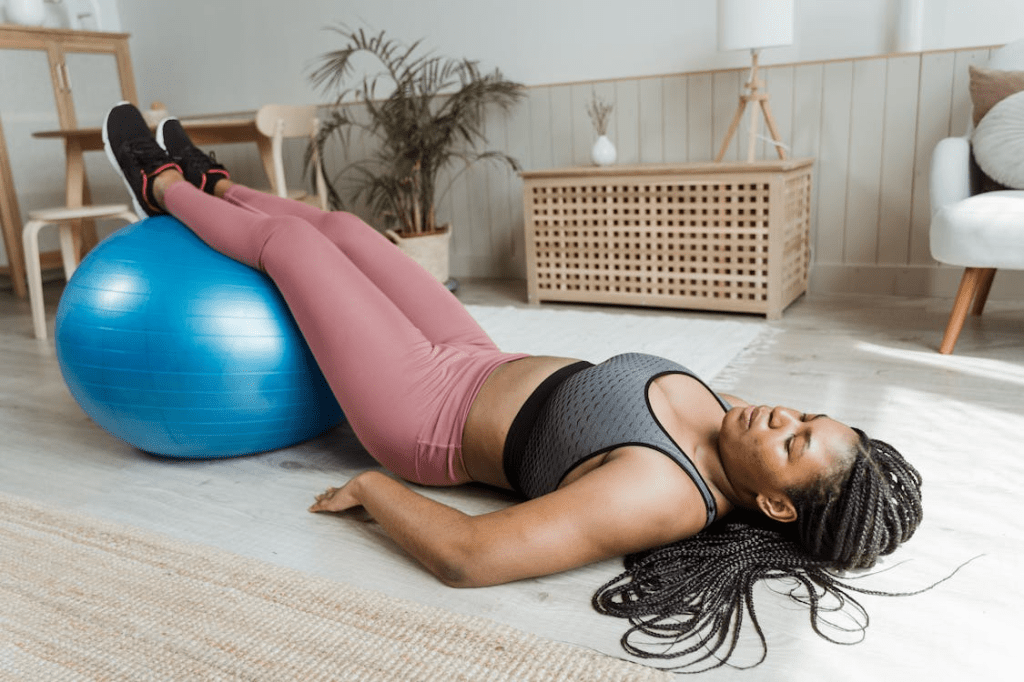
Exercise doesn’t need to be extreme to be effective. Forget painful, punishing routines, just move in a way that feels good. A walk. A dance class. Gentle yoga. What matters is consistency, not intensity. Even moderate movement improves blood flow, reduces stress, and makes your skin glow. Need motivation? Know that exercise improves mood and energyalmost immediately. You’ll sleep better, think clearer, and yes, look more energized. The trick is finding something that you don’t dread, then building momentum from there.
Get Clear on Mental Health (and Support It)
Looking your best isn’t just about grooming, it’s also about looking relaxed and emotionally grounded. That starts with checking in on your mental health. Anxiety, burnout, and mood swings can quietly dull your energy. One of the most overlooked tools? Movement. Exercise eases depression and anxiety by triggering brain chemicals that lift your spirits naturally. Combine that with sleep, sunlight, real conversations, and breaks from doom-scrolling. And if things still feel heavy, therapy or coaching isn’t weakness, it’s wisdom.
Start a Hobby That Isn’t Monetized
Everything doesn’t have to be productive. You’re allowed to do something just because you enjoy it. In fact, hobbies that aren’t tied to outcomes or income are often the most healing. Whether it’s painting, skateboarding, or learning a new instrument, new hobbies boost your overall well-being. They challenge your brain, shake up your routine, and build confidence. Most importantly, they help you reconnect with joy, and joy is one of the fastest ways to start looking and feeling better from the inside out.
Reboot Your Career Through Wellness
Sometimes the reason you feel off is that you’re stuck in a role that doesn’t align with who you’re becoming. Physical health and professional growth often go hand in hand. If you’ve been inspired by your own wellness journey, there’s room to help others, too. Exploring career opportunities with an online healthcare degrees lets you transform that interest into long-term impact. Online programs provide flexibility so you can continue working or caring for family while preparing for a meaningful shift, one that benefits both you and your community.
Use Mindfulness to Ease Physical Pain
Pain isn’t always just physical — it’s amplified by fear, stress, and overthinking. That’s where mindfulness steps in. It’s not about ignoring the pain, but about shifting your relationship to it. Breathing through discomfort, observing sensations without panic, and gently redirecting your focus trains your brain to downregulate pain signals. Research has shown mindfulness practices like meditation can be as effective as medication for some chronic pain cases. You don’t need to sit cross-legged for an hour either; just five minutes of focused breathing can help break the spiral. Pair this with body scans or walking meditations to bring presence back into your daily rhythm. The more you train that attention muscle, the more power you regain over how you feel.
Establish Rituals That Stick
You don’t need an elaborate morning routine with 11 steps and three supplements. You need habits that stick. Anchor them to things you already do: stretch before brushing your teeth, reflect for one minute while your coffee brews, turn off screens an hour before bed. These rituals build momentum. But don’t go from zero to sixty overnight. Instead, establish a self-care routine that sticks by stacking micro-habits until they become second nature. Sustainable rhythms create more transformation than crash-course health kicks ever will.
Recover From Burnout Without Shame
Burnout doesn’t mean you failed. It means your body and mind hit their limit. And in a world that demands constant output, slowing down is an act of resistance. If you’re exhausted, unfocused, or snapping at people for no reason, it’s time to listen. Bounce back from burnout effectively by prioritizing deep rest, clear boundaries, and reconnecting with what fuels you. This might mean saying no to obligations, stepping back from screens, or simply taking a nap. Give yourself the same compassion you’d extend to a friend, then rebuild from there.
You’re not a machine. You can’t run on caffeine, stress, and ambition forever. Looking and feeling your best requires attention, intention, and real recovery. Whether it’s protecting your sleep, picking up a hobby, switching careers, or moving your body more often, your wellbeing is worth the effort. Progress doesn’t happen in a day, but your next step can start today. Drop the perfectionism. Pick up the rituals. And remind yourself often: you deserve to feel good, not just sometimes, but daily.
Discover inspiring stories and holistic health strategies by visiting My Journey With CRPS/RSD, where Margaret Twitty shares her personal battle with Complex Regional Pain Syndrome to spread awareness and strength.

 My Journey With CRPS/RSD